Explore

Kampala City

Why Visit Kampala City?

Kampala

Location & setting: Uganda’s capital, on the shores of Lake Victoria, famously built on seven hills (now sprawling well beyond them). It’s the historical seat of the Buganda Kingdom, which still exists today alongside the national government — Kampala is capital to both.

Population: Around 1.4 million permanent residents, with the wider metro area much larger. Often cited as East Africa’s fastest-growing city.

Language: Luganda is the dominant spoken language locally, though English is widely used.

Gateway role: Kampala is the entry point for virtually every Uganda safari route — most travelers pass through on arrival/departure, connecting to Murchison Falls, Queen Elizabeth NP, Bwindi, Kibale, Lake Mburo, and the Entebbe/Mabamba Swamp birding circuit.

Access: Entebbe International Airport (EBB), about 40km southwest of the city via the Entebbe Express Highway, is the main international gateway. There’s no rail hub for tourists — getting around relies on shared minibus taxis, boda-bodas, and private/special-hire cars, with hubs like the Old Taxi Park.

Climate: Warm year-round due to elevation — daytime temps typically 24–28°C, nights 16–18°C. Heaviest rains fall March–May and September–November (can mean traffic and flash flooding); January–February and June–July are generally the cleanest windows for sightseeing.


Start Your Trip

Tell us what calls to you, we’ll handle everything else. Every BIC Tours’ journey is custom-built for you. Our planning process is personal, unhurried, and entirely focused on getting every detail right for you.

Talk to our safari planner

+256 772 582 505

Must do Experiences at Kampala City

Kasubi Tombs

UNESCO World Heritage Site, the sacred burial ground of Buganda kings, on Kasubi Hill.

Kabaka's Palace (Lubiri/Mengo Palace).

Built in 1885, official residence of the Buganda king (Kabaka).

Uganda Museum.

Opened in 1908, one of East Africa’s oldest museums, with folk instrument collections, an Idi Amin exhibition, and an outdoor traditional-architecture village.

Uganda National Mosque (Gaddafi Mosque)

On Old Kampala Hill, capacity for 35,000 worshippers, with a 65m minaret offering panoramic city views.

Markets.

Nakasero Market (trading since 1895) and Owino Market (one of the largest in East Africa) — vibrant, sensory, and good for local-life immersion, best visited with a guide.

Food & nightlife.

Street food culture centers on the “rolex” (chapati-and-egg wrap), Uganda’s signature street snack. Nightlife is energetic and diverse — bars, clubs, and live music that rivals other East African capitals.

Positioning angle.

Most itineraries treat Kampala as a transit/arrival-departure city, but there’s a solid case for adding a half-day city or cultural stop (museum, tombs, market walk, or a cooking class) rather than skipping straight through.

Accommodation Options

Feature Safaris

From

4 pax sharing

UGANDA PRIMATE EXPEDITION WITH NILE LUXURY: GORILLAS, CHIMPS & RIVERSIDE RETREAT.

From

$4,376 pp

4 pax sharing

UGANDA’S OFF THE BEATEN PATH: KIDEPO VALLEY, SOURCE OF THE NILE, WATERFALLS & THE KARAMOJONG HEARTLAND.

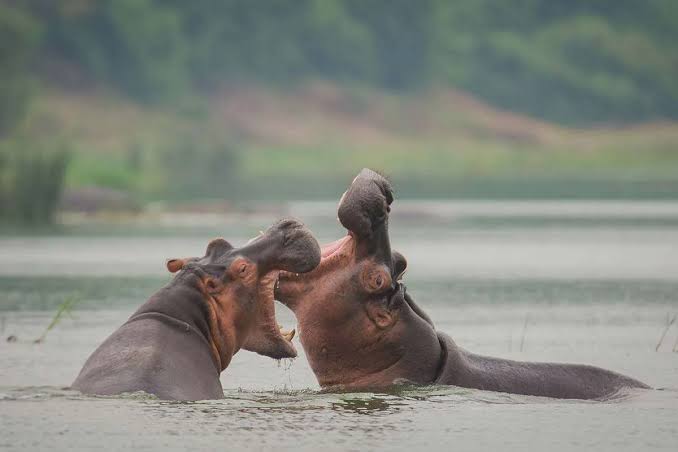
Two hippos in Kazinga Channel

From

$12,619 pp

4 pax sharing

BEYOND EXPECTATIONS: UGANDA’S ALL INCLUSIVE SAFARI EXPERIENCE WITH GORILLAS & WILDLIFE ENCOUNTERS.

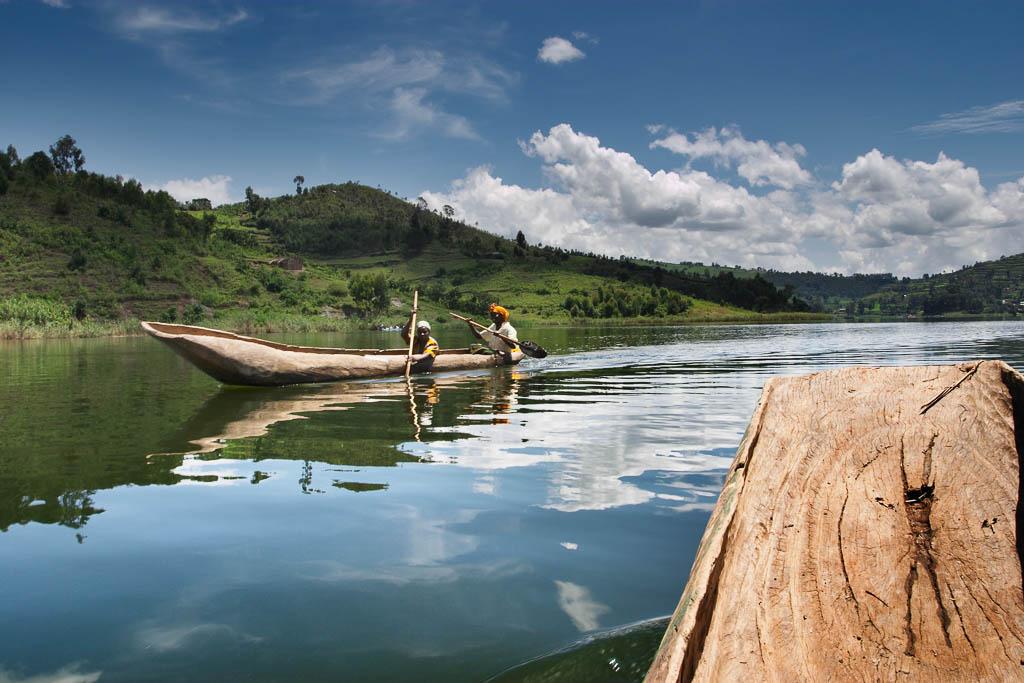
Canoe on Lake Bunyonyi

From

$1,881 pp

4 pax sharing

CLASSROOM BEYOND WALLS: UGANDA’S DISCOVERY TOUR FROM FARM TO FORESTS TO LAKES.

From

$3,730 pp

4 pax sharing

BEYOND THE BUSH: UGANDA’S AGRO-TOURISM & WILDLIFE ADVENTURE.

From

$6,093 pp

4 pax sharing

SHOEBILL TO SUNSETS: UGANDA’S WILDLIFE, CULTURE & SERENITY.

Kampala City

Kampala City