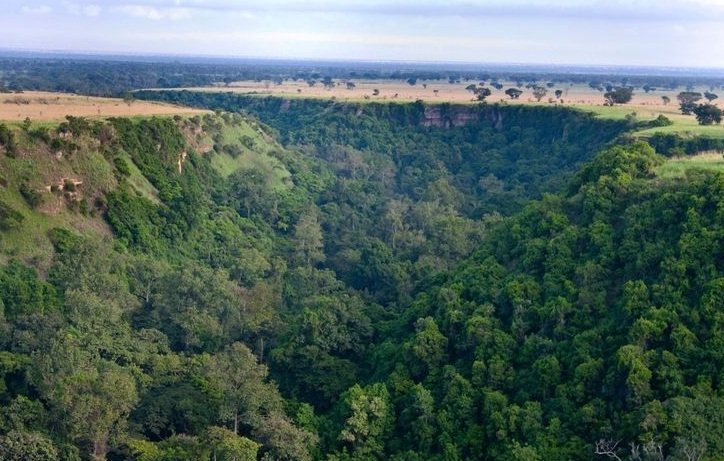
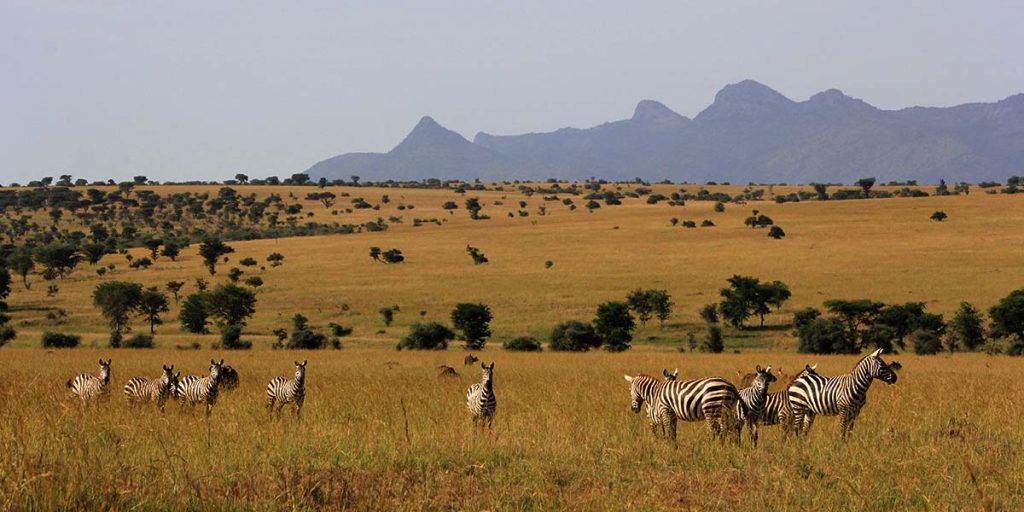
Established in 2004, Nyungwe Forest National Park covers an area of 970km2. It is located in Southwestern Rwanda near the border with Burundi. The park is made up montane forest cover, grasslands, swamps and bamboo. The park lies at 3000 meters above sea level.
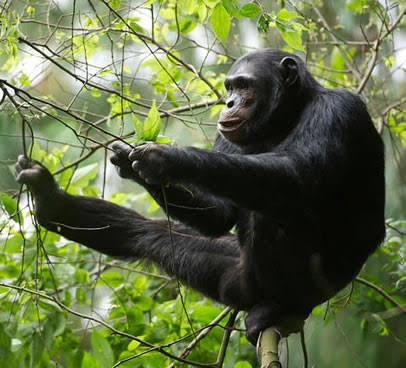
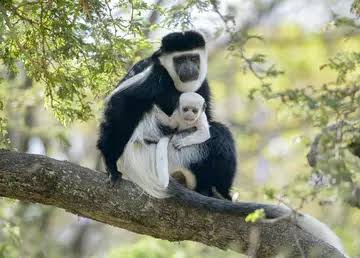
The park is famous for its wildlife diversity including 13 primate species, 85 mammal species, 275 bird species, plenty of reptiles and amphibians. Most popular primates in Nyungwe are the chimpanzees and the Black and White Colobus monkeys.
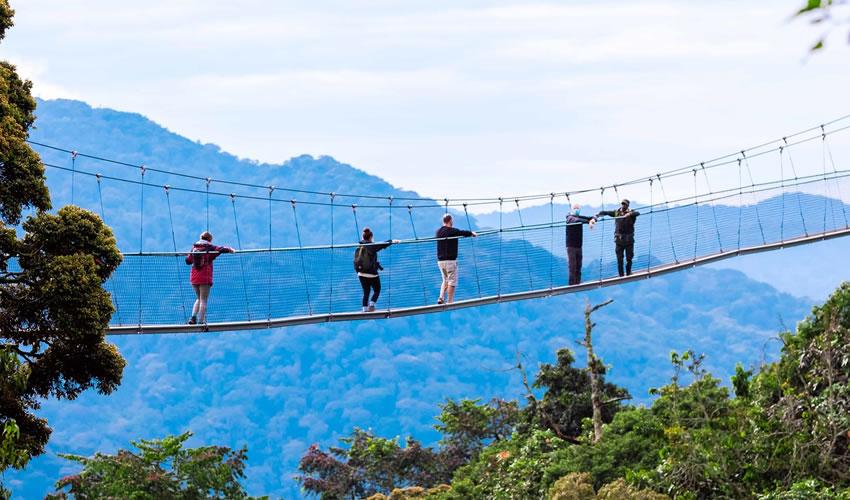
Guests to Nyungwe Forest National park enjoy Chimpanzee tracking, Golden Monkey tracking and the canopy walk.
The park can be accessed by road but the most preferable means of transport is by air.

Tell us what calls to you, we’ll handle everything else. Every BIC Tours’ journey is custom-built for you. Our planning process is personal, unhurried, and entirely focused on getting every detail right for you.

+256 772 582 505
Nyungwe is home to roughly 450 chimpanzees, with two habituated groups — in the Uwinka and Cyamudongo sections — open to guided treks. Groups set off as early as 4am with experienced park guides to search out one of the habituated clans, and the reward is watching our closest living relatives forage, play and move through the canopy at close range. It’s available year-round, though guides note the rainy season can actually make tracking easier, since abundant food keeps the chimps in one area for longer.
One of the park’s signature experiences: a roughly two-hour walk along a 200-metre suspended trail some 50 metres above the forest floor, reached via the Igishigishigi, Imbaraga or Umuyove trails from Uwinka. It’s the only walkway of its kind in East Africa, and the views over the unbroken canopy — with a good chance of spotting monkeys and birdlife below — make it a favourite even for visitors who aren’t hardcore hikers. Suitable for kids aged six and up, which makes it a nice family-friendly anchor activity.
Beyond chimps, Nyungwe shelters 12 other primate species, most notably large troops of the black-and-white Rwenzori colobus — some groups run several hundred strong, among the largest in Africa. Smaller primate groups can be tracked using four dedicated trails, offering a quieter, less strenuous alternative to chimp trekking with excellent photo opportunities as the colobus move through the canopy in troops.
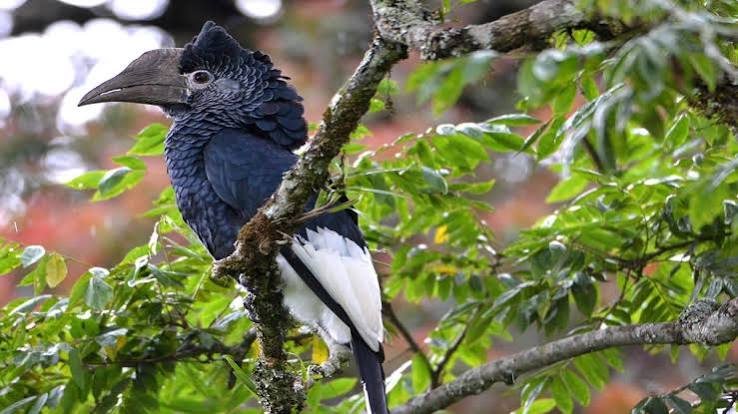
With around 300–320 recorded species, 29 of them endemic to the Albertine Rift, Nyungwe is regarded as one of Africa’s premier birding destinations. Specialities include the Kungwe Apalis, Grauer’s Warbler and the striking Shelley’s Crimson-wing. Guided birding walks run along dedicated trails such as the Karamba trail, and serious birders should bring binoculars and a field guide, since a knowledgeable local guide makes a huge difference to the day’s checklist.
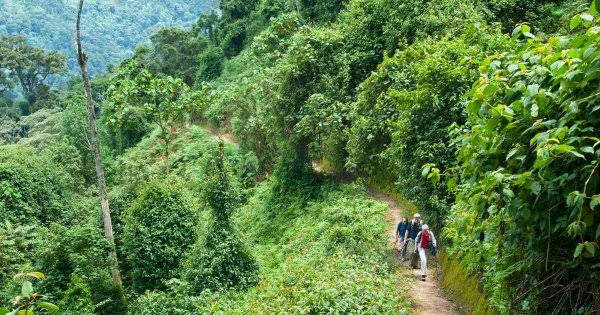
Nyungwe has an extensive network — around 130 kilometres of maintained trails, ranging from short two-hour strolls to multi-day treks. Highlights include the Isumo Waterfall trail, the Kamiranzovu marsh trail (good for orchids and swamp birdlife), and the Bigugu trail, which climbs to the park’s highest peak for sweeping views. There’s a route to suit every fitness level and time budget, all led by trained community guides.
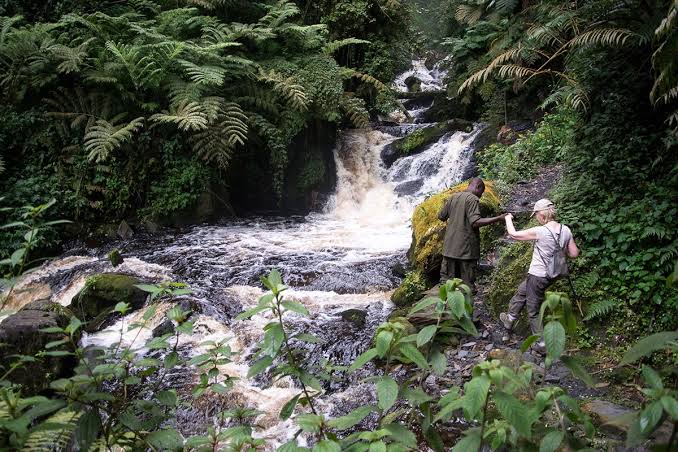
The Ndambarare and Kamiranzovu waterfalls are among the park’s most photogenic spots, reached via dedicated forest trails that wind through dense, moss-draped rainforest. These walks are typically shorter and less demanding than the summit hikes, making them a good option for travelers who want an immersive forest experience without a full-day commitment.
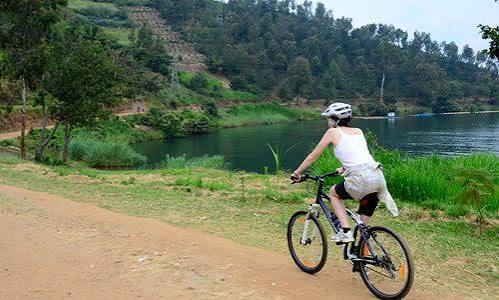
For a different pace, sections of the famous Congo Nile Trail cut through Nyungwe, letting visitors cycle past tea plantations, forest edges and rural villages. It’s a good way to take in birds, primates, and plant life while covering more ground, and multi-day riders often combine it with camping along the route.
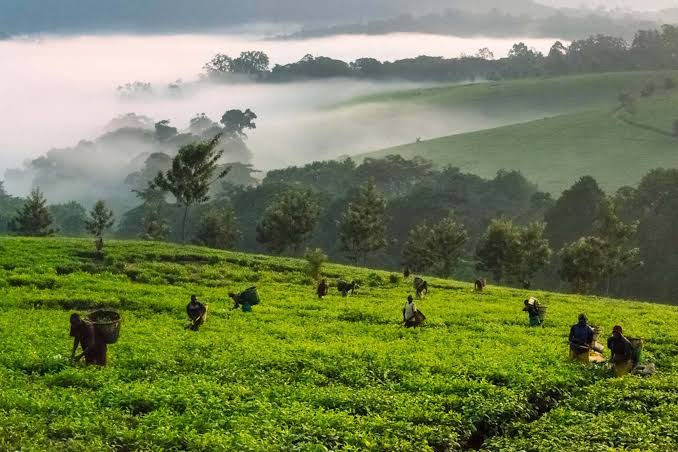
Just outside the park, in Banda and Gisakura, community-run cultural tours offer traditional handicrafts, blacksmithing, pottery making, traditional dance, brewing demonstrations, and tea plantation tours. It’s a good complement to the wildlife-focused activities and a way to fold in a local-economy angle for socially-minded travelers.